

What if disengagement isn't a problem in the first place
What to do when their lights go out

When you think about a child being disengaged, what images spring to mind?
Head in hands. Slumped in their chair. Scrolling mindlessly on their phones. Locking themselves in the bathroom, complaining of stomach aches and refusing to go to school. Perhaps they are being disruptive. Rude. Enrolling others to behave ‘badly’ with them. Maybe you see compliance. Pleasing everyone else, yet no longer seeming to care about anything.
Through this lens, it is easy to judge what you see and to focus on their behaviour. After all, it’s frustrating they’re wasting so much potential. Anyone living or working with a disengaged child, teen or adult will undoubtedly at some point feel they are failing.
‘Why can’t I help them?’
That’s when you begin your search for solutions and find plenty who will tell you what is wrong with your child.
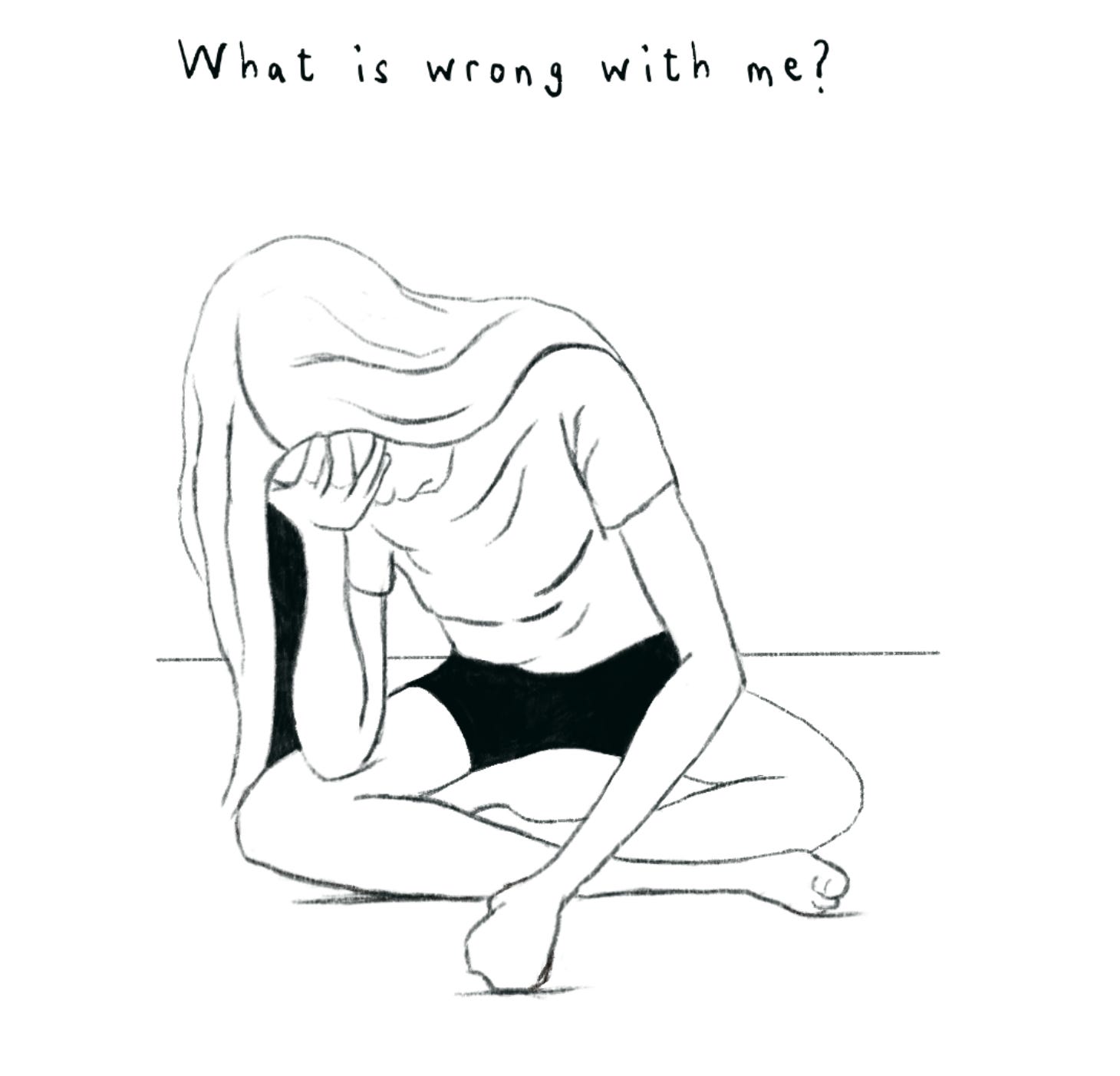
Illustration by Mel Stephenson
My starting point, with everyone I work with, is to assume that nothing is wrong with them.
Is your child happy and engaged when they are doing something they love? Yes or no?
Are they sparkier on the weekends, during the holidays or in after-school clubs? Yes or no?
Are they actively telling you they are bored, hate school, or find your home education dull (ouch!)? Yes or no?
If your answer is yes to all of these, you’re probably looking at a normal healthy reaction to being bored and disconnected from learning. We can turn this around fast.
If the answers are no, and they’re disengaged across the board, you might want to investigate further, but not before you’ve tried to ignite that hint of a spark, as I did for Ollie.
From feeling a failure to the best school report ever
I met Ollie when he was thirteen years old.
‘The person I want to be has never made it into school,’ he told me.
Since age five, he had felt like a failure, that he was stupid. He didn’t believe he would achieve anything in his life: ‘How far have I got in eight years? At the end of every day I go home with this negativity. The information is hidden in this huge web which I’m trying to unpick extremely slowly.’
As his mum, Sandra, said, ‘Everyone focused on what was wrong with Ollie.’
Let’s do the maths. That’s roughly 10,000 hours of having Special Educational Needs and feeling worthless. Shockingly, we accept this reality for so many children. When we judge a child by what they can’t do, they become disempowered. As nothing seems to work, they feel ‘what’s the point?’
Apathy takes hold, mental wellbeing suffers and they lose their appetite to learn. Before we know it, that light in our sparky kids, like Esme and Ollie, has dimmed.
Let’s try a different strategy. If everyone has something they are naturally good at, we need to look for what switches on their lights. Then we turn the dial right up and support them to cope when their lights dim or go out.
I found the ‘switch’ to Ollie’s creative energy within minutes. He was a natural-born visual creator and storyteller. As he began expressing his ideas through filmmaking, photography and animation, he transformed as a learner. Immediately. His teachers noticed a difference in the classroom, too, as his principal shared:
‘Ollie is so much more visible within the school and more engaged in lessons. He is now part of the class and has found a way to engage with school and be Ollie.’
Watch her interview about Ollie here:
That academic year, Ollie received his best school report ever. Of course he did.
When Ollie felt safe, seen and heard, he became courageous enough to express his authentic self across the board. Lights On. With two hours a week progressing his passion projects, Ollie shifted gears. He embraced his neurodiverse brain, tuned into his creative energy, took intentional action and got different outcomes.
Because Ollie had been disengaged for a prolonged period, he had unplugged his inner power. As he reconnected his heart, grew his mindset and developed passion-related skills, his potential unfolded with ease. By switching his creative energy back on, which is a simple process, he took full ownership and ran with it. A small shift that gave him tangible evidence of his true capabilities had a profound impact on his confidence and ability to learn. Essentially, he started to believe in himself again.
‘I’ve gone from thinking everything about me is rubbish. That I’m never going to have a life, to being good at something and having that drive. The change has been extreme. I’m a different person. I have the confidence to do whatever I want. I’m trying hard in lessons. My creative mindset has impacted on everything.’
Ollie, age thirteen, gave clear behavioural signals he was disengaging. But everyone saw it as a problem to fix. For eight long years! When he was allowed to express his authentic self, their engagement shifted instantly. Or, as I would say, with a flick of a switch.
From Lights Off to Lights On.
Watch Ollie’s interview here:
In my next article I’m going to show you how to reframe your child’s disengagement. When you look through a different lens, you’ll see there isn’t a problem at all. In fact you’ll begin to see the biggest opportunity you could ever have to get your child, and whole family, feeling more happy, fulfilled and curious than they have ever been.
This is an excerpt from my book Lights On Learning - A parent’s Blueprint For Happy, Fulfilled, Curious Kids.
What really stands out for me is the fact that disengagement is a normal, healthy rection to the situation. Our children begin to believe that they are the problem - which feels shameful and makes them want to shrink and hide. In fact, looking at this from a different angle can have a powerful and transformative effect. Yes! Thank you for this!